
Storms, Lightning and Power Cuts: Why Extreme Weather Is Increasing the Need for Reliable Backup Power
Across the UK last night, severe thunderstorms brought intense lightning, torrential rain, and widespread disruption to many areas. Following days of unusually high temperatures, the sudden change in weather created dangerous storm conditions across parts of England and Wales, with reports of power cuts, flooding, and even fires caused by lightning strikes.
The Midlands, including areas around Malvern, Gloucestershire and Worcestershire, experienced particularly severe conditions as electrical infrastructure came under pressure from the combination of heavy rain, lightning activity, and strong winds. The storms followed official thunderstorm warnings issued by the Met Office, which warned of potential disruption to power supplies and local infrastructure.
As weather events across the UK become more extreme and unpredictable, power resilience is becoming increasingly important for homes, businesses, industrial sites, and critical infrastructure.
How Storms Cause Power Cuts
Thunderstorms place enormous strain on electrical networks. While many people associate power cuts with winter storms, summer thunderstorms can be equally disruptive.
Lightning strikes are one of the biggest causes of sudden power outages during severe weather. A direct strike to power lines, transformers, substations, or nearby infrastructure can instantly interrupt electricity supplies to entire areas.
Even when lightning does not strike electrical equipment directly, the huge electrical surges generated during storms can damage sensitive infrastructure and force automatic shutdowns designed to protect the network.
Heavy rain and flash flooding can also create serious problems for electricity distribution systems. Water ingress into underground electrical equipment, substations, or damaged cabling can lead to faults, short circuits, and localised outages.
Strong winds add another layer of risk by damaging overhead power lines, bringing down trees onto cables, and affecting transmission infrastructure across rural and urban areas alike.
Lightning Strikes and Fire Risks
One of the most dangerous aspects of severe thunderstorms is the fire risk caused by lightning.
Lightning can strike buildings, trees, electrical equipment, or nearby infrastructure with enormous force and heat. In some cases, this can ignite fires within roofing materials, electrical systems, or surrounding vegetation.
Reports this morning highlighted incidents of fires linked to the overnight storms in parts of the Midlands, including around the Malvern area, following intense lightning activity and severe weather conditions.
Firefighters also worked through Monday night to tackle a grass fire near Arthur’s Seat in Edinburgh as temperatures in the city hit 25C. Large clouds of smoke were seen rising from the area. Source: The Guardian
These incidents highlight how vulnerable electrical infrastructure and dry vegetation can become during periods of extreme weather.
Why Electrical Infrastructure Is Becoming More Vulnerable
The UK’s electricity network faces increasing pressure from a combination of ageing infrastructure, rising electricity demand, and more frequent extreme weather events.
Periods of intense heat followed by sudden thunderstorms create particularly challenging conditions for power networks. Electrical systems already operating under high temperatures and increased demand can become more vulnerable when storms arrive.
Weather-related power outages are becoming more common globally, with storms causing disruption through:
-
Lightning strikes
-
Flooding
-
Fallen trees
-
Damaged substations
-
Overloaded infrastructure
-
Wind damage to overhead lines
-
Electrical surges
Even short-term power interruptions can have major consequences for businesses and facilities relying on continuous electrical supply.
The Impact of Storm-Related Power Failures
For many businesses, losing power for even a few minutes can result in costly disruption.
Storm-related outages can affect:
-
Manufacturing facilities
-
Data centres
-
Offices
-
Farms and agricultural sites
-
Healthcare facilities
-
Retail premises
-
Warehouses
-
Telecommunications infrastructure
Without reliable backup power, organisations may experience downtime, equipment damage, loss of communications, interrupted production, or spoiled stock.
Homes are also increasingly dependent on uninterrupted electricity supplies. Modern households rely heavily on internet connectivity, refrigeration, heating systems, security systems, and home working equipment, making power resilience more important than ever before.
Why Standby Generators Are Essential During Severe Weather
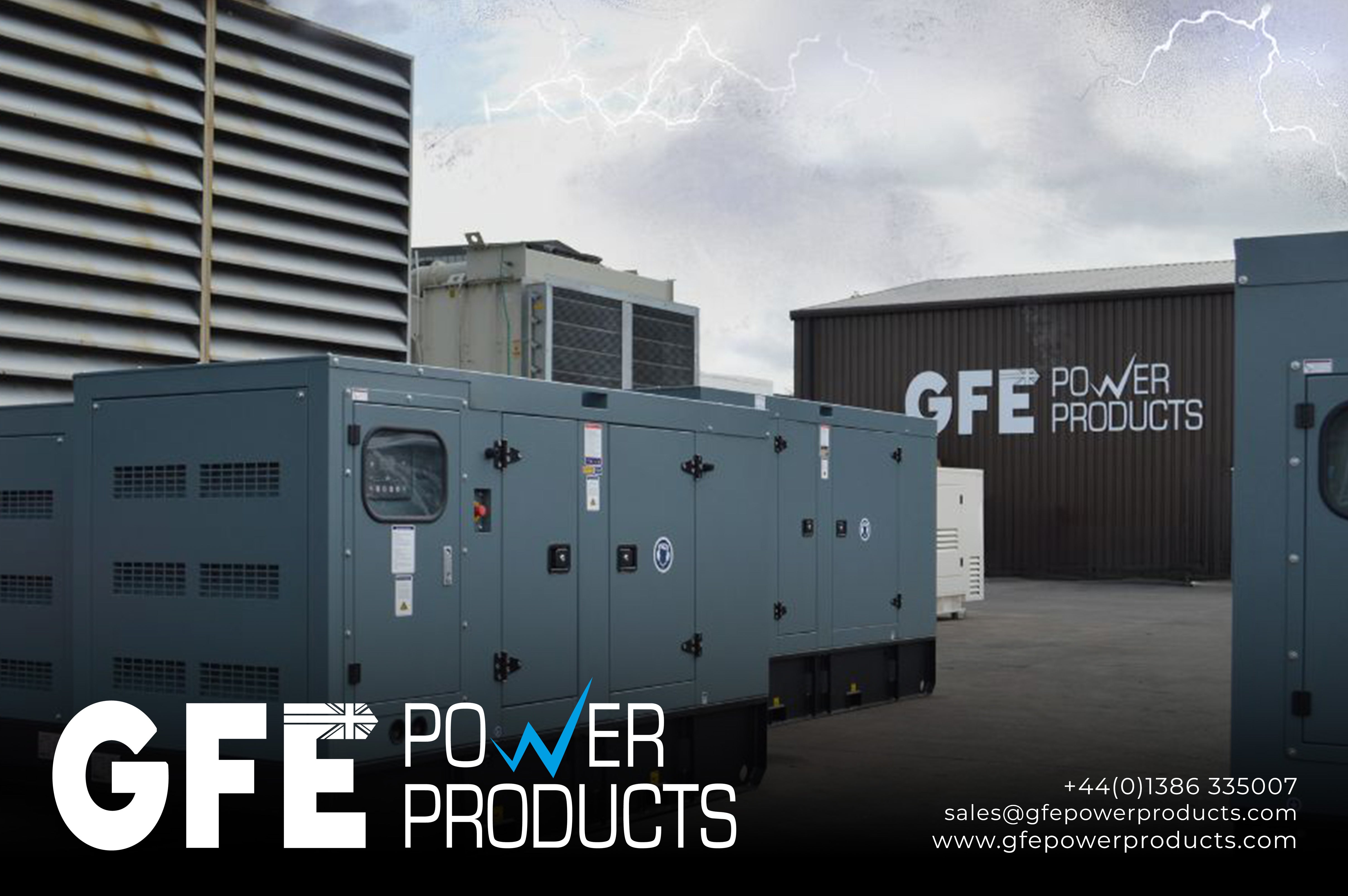
Standby diesel generators provide an immediate backup power solution when mains electricity fails.
When installed correctly, an automatic standby generator can detect a mains power failure and restore electricity within seconds, helping keep essential systems operational during storms and grid outages.
Generators are widely used across industries where power continuity is critical, including:
-
Hospitals
-
Industrial facilities
-
Commercial buildings
-
Emergency response services
-
Telecommunications
-
Data centres
-
Construction projects
-
Residential properties
As severe weather events become more frequent, many businesses are now investing in standby power systems as part of their long-term resilience planning.
Reliable Power Solutions from GFE Power Products
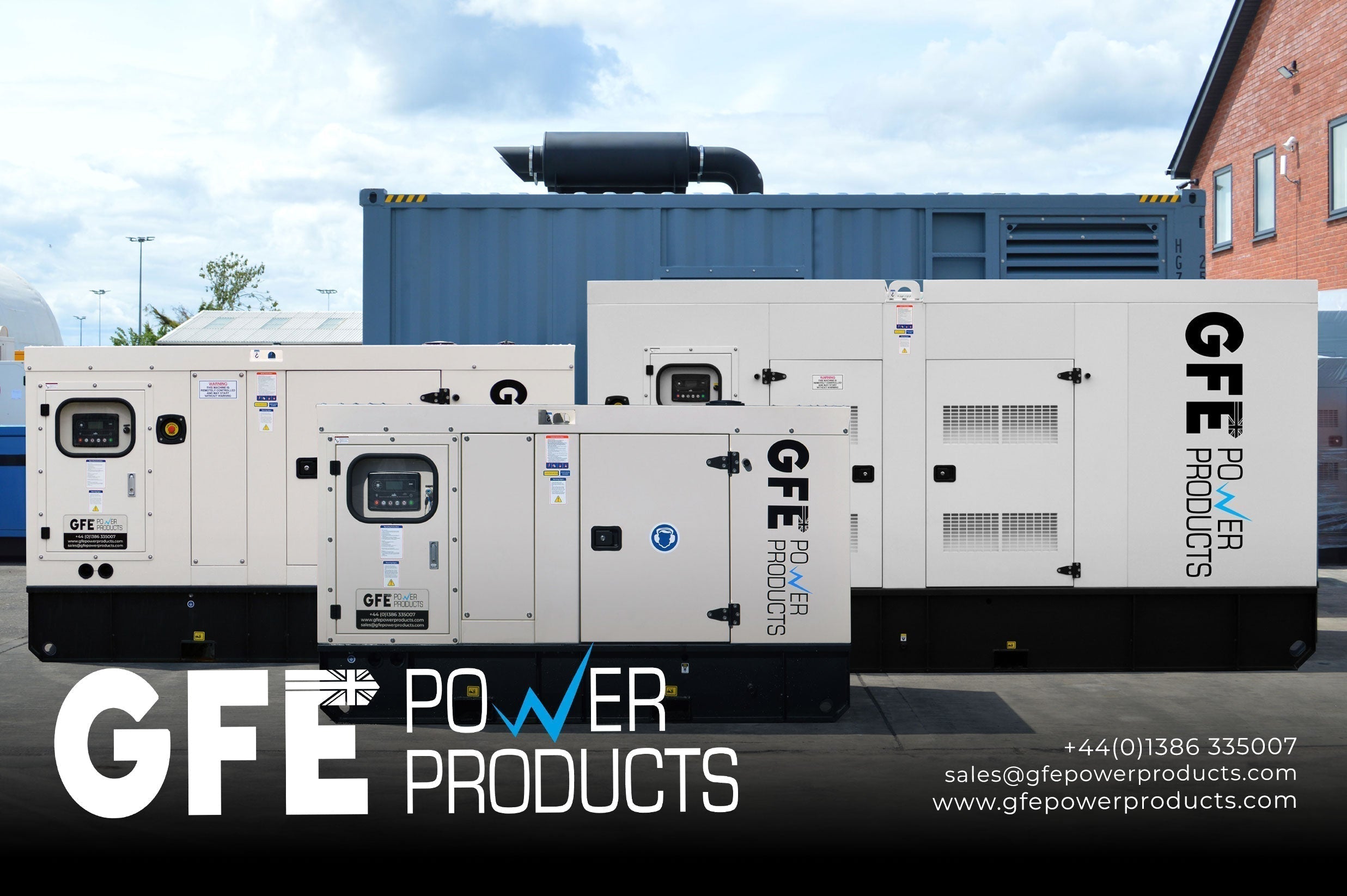
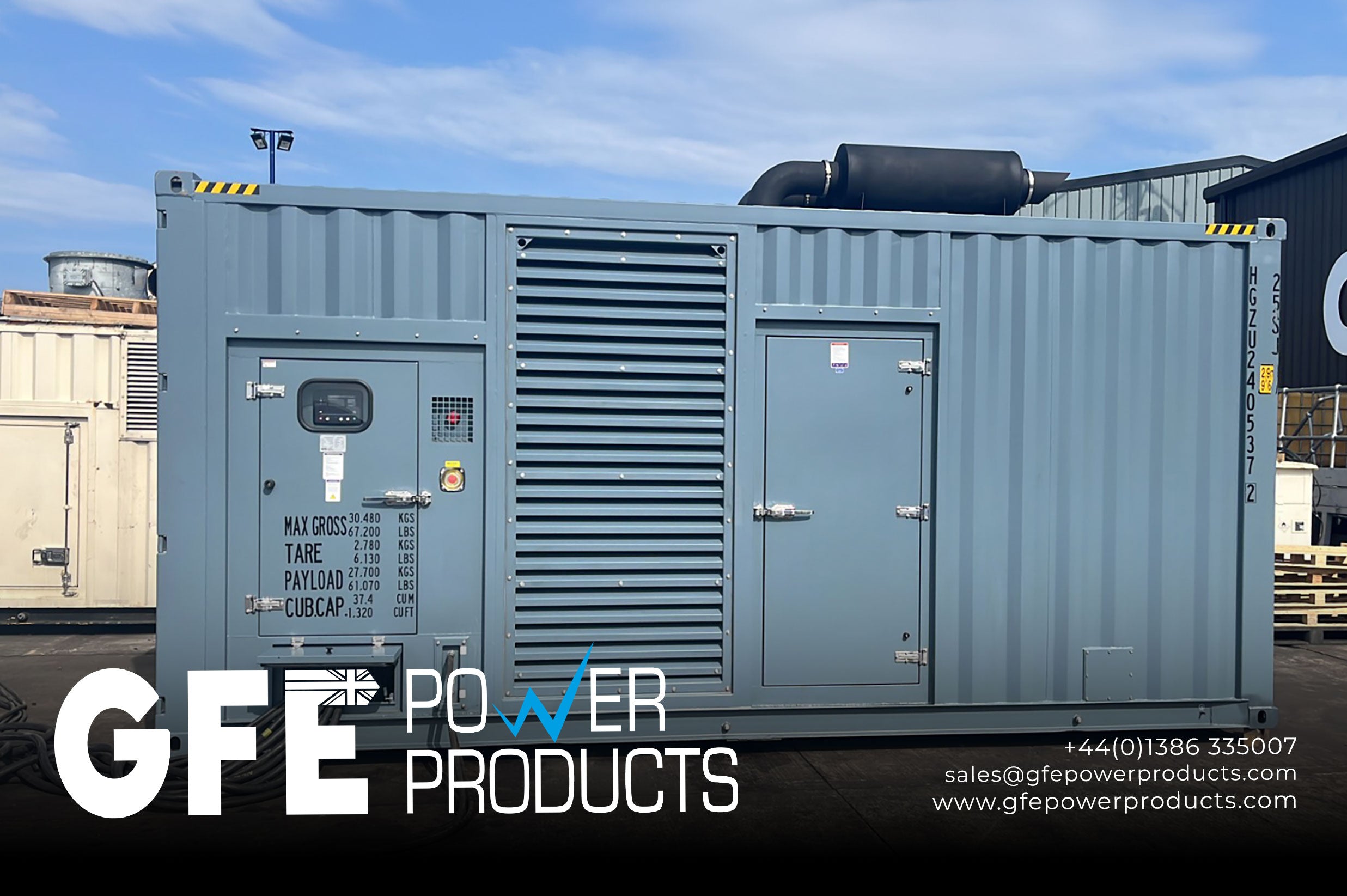
At GFE Power Products, we supply high-quality diesel generators designed to provide dependable standby and prime power solutions in demanding conditions.
Using engines from leading manufacturers such as Cummins, Perkins, and Baudouin, our generator sets are built to deliver reliable performance across a wide range of applications worldwide.
Whether protecting a commercial building, industrial facility, healthcare site, or critical infrastructure project, having reliable backup power in place can significantly reduce the risks associated with storm-related outages and severe weather disruption.
Preparing for Future Storms
Extreme weather is becoming an increasing challenge for electrical infrastructure across the UK and globally. Thunderstorms, flooding, and lightning-related outages are no longer isolated events, and businesses are recognising the importance of preparing for unexpected power failures.
Investing in a reliable standby generator can help ensure continuity, safety, and operational stability during severe weather events, protecting both property and essential operations when the grid becomes unreliable. Contact GFE Power Products today and protect your home or business with reliable back up power.
Phone: +44 (0)1386 335007
Email: sales@gfepowerproducts.com