
What Happens When the Power Goes Off?
Imagine opening for business one morning to find the lights are off, the tills aren't working, the refrigeration has stopped and your computers won't switch on.
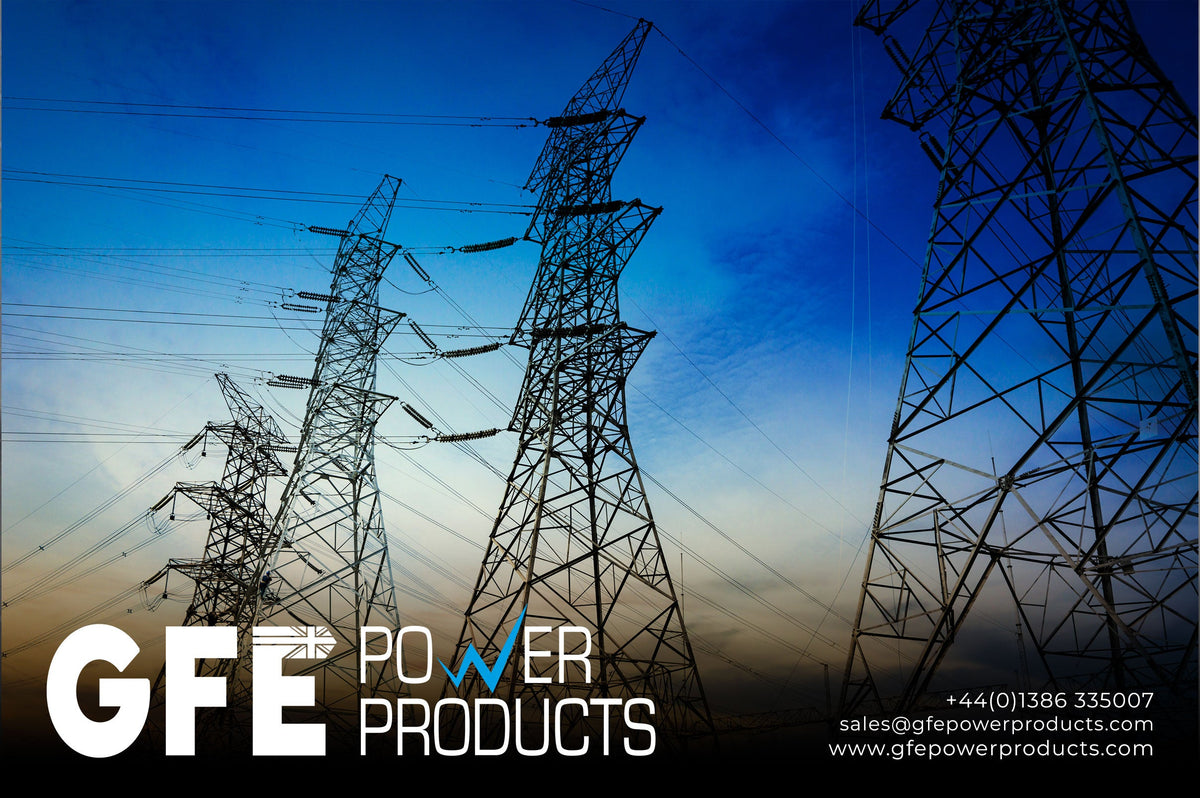
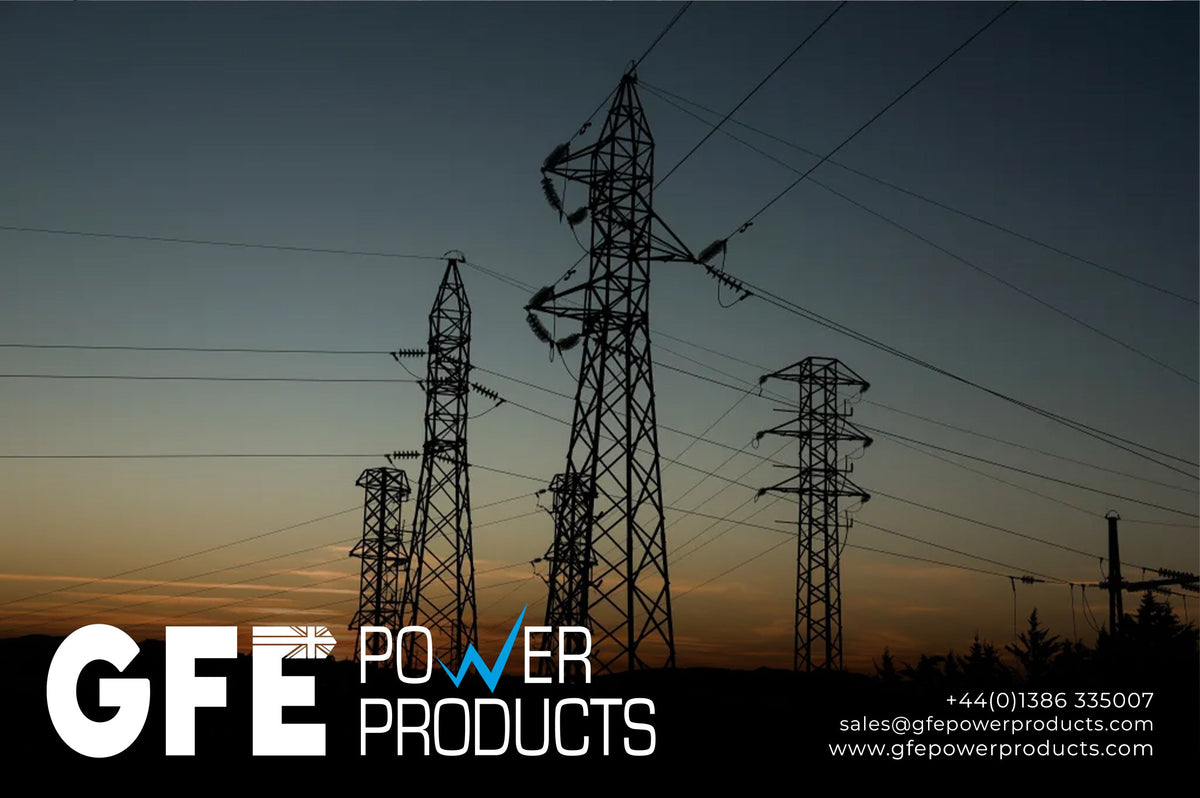
In March 2025, a fire at the North Hyde electricity substation in West London caused a major power outage affecting 71,655 domestic and commercial customers and led to the closure of Heathrow Airport for most of the following day. The disruption went far beyond a few dark offices, affecting essential services, transport, businesses and thousands of homes.
Perhaps most telling for businesses that rely on continuous power, three data centres affected by the outage were able to continue operating using backup generators.
For a business without suitable backup power, the question isn't simply:
"How long will the electricity be off?"
It's:
"What happens to our business while it's off?"
For a supermarket, it could mean refrigeration and frozen-food systems stopping. For a manufacturer, production could grind to a halt. For a data centre, critical infrastructure could be affected. For a farm, essential ventilation, pumping or milking equipment could be interrupted.
And while nobody can predict exactly when the next significant power interruption will happen, businesses can prepare for what happens when it does.
That's where reliable backup power comes in.
What can a power cut actually cost a business?
The answer depends on what your business does, but almost every industry has something to lose when the electricity supply disappears.
A power failure can mean much more than sitting in the dark. It can lead to lost stock, interrupted production, damaged equipment, safety concerns, lost working hours and significant financial costs.
For some businesses, even a relatively short interruption can have consequences that continue long after the mains supply has been restored.
Let's look at what that can mean in different industries.
Supermarkets: when the refrigeration stops
For supermarkets and food retailers, one of the most immediate concerns is refrigeration.
Fresh meat, dairy, fruit, vegetables and other chilled products depend on controlled temperatures. Frozen food is even more sensitive to prolonged loss of refrigeration.
When the power goes off, refrigeration systems stop working. The longer the outage continues, the greater the risk of stock becoming unsaleable.
And it isn't just the value of the food itself.
A supermarket may also lose sales while the store is unable to operate normally. Electronic tills, payment systems, lighting, security equipment, refrigeration and communications can all be affected.
For a busy supermarket, it’s essential to protect the products, systems and trading operation that the business depends on.
Manufacturing: production stops when the machines stop
Modern manufacturing facilities can consume substantial amounts of electricity.
A power failure can bring machinery, conveyors, automated systems, ventilation, lighting and other processes to an immediate stop.
Depending on the type of production, restarting isn't necessarily as simple as switching everything back on.
An interruption could result in:
- Lost production time
- Materials being wasted
- Partially completed products being damaged
- Production schedules being delayed
- Machinery requiring controlled shutdown and restart procedures
- Employees being unable to work
- Orders being delayed
For businesses operating continuous or time-sensitive production, the cost of an outage can quickly become significant.
A properly specified generator can provide the power needed to keep essential equipment operating, or allow critical systems to be shut down in a controlled manner.
Data centres and telecommunications: no room for unnecessary downtime
Few industries are as dependent on continuous power as data centres and telecommunications.
Servers, networking equipment, cooling systems, security systems and communications infrastructure all depend on a reliable electricity supply.
A loss of power doesn't necessarily mean that everything immediately fails. Critical facilities often have multiple layers of resilience built into their infrastructure.
But backup generation remains an important part of that resilience.
The North Hyde outage provides a real-world example. Three data centres affected by the incident lost their mains supply but were able to continue operating through the use of backup generators.
For larger installations, multiple generators can also be configured to operate together, sharing electrical loads and providing additional capacity and redundancy where required.
Hospitals and healthcare: power isn't optional
In healthcare environments, reliable electricity is particularly important.
Medical equipment, refrigeration, lighting, communications, ventilation, security and essential building systems may all need to continue operating during an interruption to the mains supply.
There is very little tolerance for unnecessary downtime in environments where electricity supports essential services.
The North Hyde outage itself affected Hillingdon Hospital, demonstrating how a failure in one part of the electricity network can have consequences beyond the businesses and homes directly connected to it.
This is why standby power forms an important part of emergency preparedness for many healthcare facilities.
The generator itself is only one part of the solution. Correct sizing, installation, automatic transfer arrangements, fuel capacity, testing and maintenance all need to be considered to ensure the system is ready when it is actually required.
Agriculture: keeping essential systems running
Power cuts can also create problems for farms and agricultural businesses.
Modern agriculture relies on electricity for far more than lighting. Depending on the operation, essential systems can include:
- Milking equipment
- Ventilation
- Water pumps
- Refrigeration
- Feeding systems
- Heating
- Automated controls
- Security and monitoring systems
An extended interruption can therefore affect both day-to-day operations and animal welfare.
A suitably sized generator can provide an independent source of electricity when the mains supply is unavailable, helping agricultural businesses continue operating rather than waiting for the grid to return.
Commercial buildings: more than just lights
Offices, warehouses, retail premises and commercial buildings can also be surprisingly dependent on electricity.
Think about what happens when the power disappears.
The lights go out.
Computers stop.
Wi-Fi and network equipment can fail.
Lifts may stop operating.
Security and access-control systems can be affected.
Heating and air conditioning can shut down.
Payment and communication systems may become unavailable.
For some businesses, this may simply mean sending employees home. For others, it can mean losing a full day's productivity or being unable to serve customers.
A standby generator can help keep critical systems operating until mains electricity is restored.
Construction and temporary power
Power isn't always needed in a permanent building.
Construction sites, infrastructure projects and temporary facilities can also require reliable electricity where a grid connection isn't available or isn't sufficient.
In these situations, generators can provide prime power rather than simply acting as emergency backup.
What happens to your business if the power goes off tomorrow?
That question is worth asking before an outage rather than during one.
How long could your business operate without mains electricity?
Which systems are essential?
Could your staff continue working?
How long would it take to recover?
And, importantly:
How much generator capacity would you actually need?
Choosing a generator isn't simply a case of buying the biggest machine available.
The generator needs to be correctly specified for the electrical load, taking account of the equipment being powered and any starting or surge requirements.
If you're unsure where to start, GFE Power Products can help you work through your requirements and identify an appropriate solution.
We are experts in providing a broad range of new diesel generators, with solutions ranging from smaller commercial generators through to high-capacity units for large industrial and critical-power applications.
Need backup power for your business?
Don't wait for the next power cut to find out what you can't afford to lose.
Explore our diesel generator range or contact GFE Power Products to discuss your power requirements with our team.
GFE Power Products – reliable power when you need it most.
Tel: +44 (0)1386 335007
Email: sales@gfepowerproducts.com